
Landing your first professional job is challenging—you need experience to get a job, but you need a job to get experience. This catch-22 frustrates countless entry-level candidates. The good news? Employers hiring for entry-level roles know you lack experience. They're looking for potential, attitude, and foundational capabilities. Here's how to stand out.
Showcase Your Strengths, Not Just Your Credentials
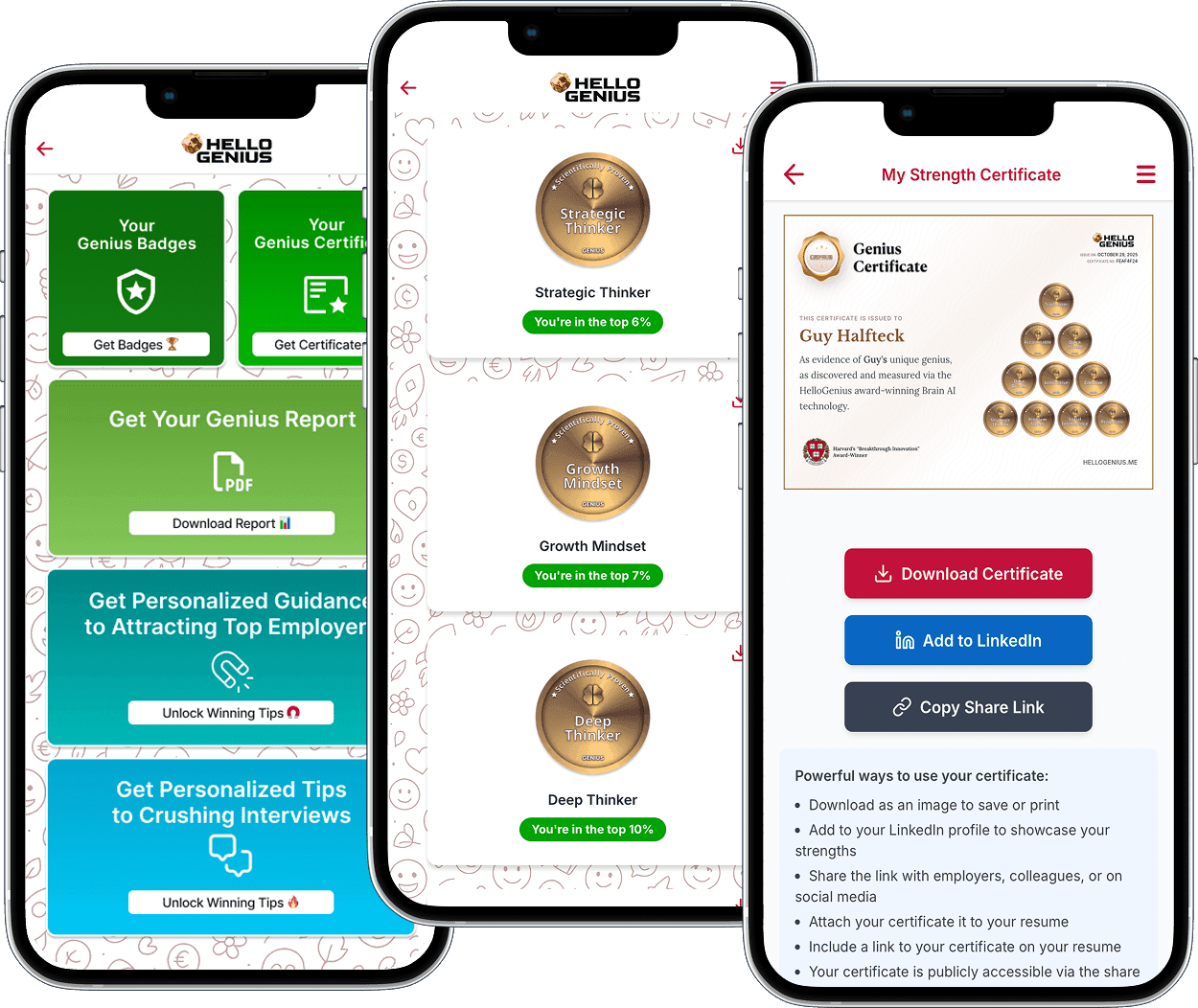
You may lack professional experience, but you don't lack strengths. Take a validated assessment to identify your natural abilities, then demonstrate them through examples from school, volunteer work, internships, or personal projects. Strong analytical skills? Discuss your research project. Interpersonal strengths? Highlight your leadership in student organizations. Employers hire entry-level candidates for potential—show them yours.
Create Evidence of Your Capabilities
Don't just claim skills—prove them. Create a portfolio of work: writing samples, design projects, code repositories, or case study analyses. Start a blog demonstrating your thinking. Contribute to open-source projects. Do freelance work. These tangible demonstrations of capability are more convincing than any resume bullet point. They show initiative, skill, and genuine interest in the field.
Leverage Informational Interviews
Most entry-level candidates apply online and hope for the best. Smart candidates build relationships first. Request informational interviews with professionals in your target field. Learn about their career paths, ask for advice, and demonstrate genuine interest. Many jobs are filled through referrals before they're posted. By building relationships, you get insider information and potential advocates for your candidacy.
Customize Everything
Generic applications get generic results—usually rejection. Customize your resume and cover letter for each application. Research the company thoroughly and reference specific aspects that appeal to you. Explain why you're interested in this specific role at this specific company. This takes more time but dramatically increases your success rate. Quality applications beat quantity every time.
Conclusion
Landing your first job requires strategy, not just effort. By showcasing your strengths, creating evidence of capabilities, building relationships, and customizing your applications, you can compete successfully despite limited experience. Employers want to hire promising entry-level candidates—your job is to make your promise visible.
Ready to discover your genius?
Get your personalized Genius Career Report with AI-powered insights for just $7
Get Your Report Now