
Thinking about a career change but worried you're too old? You're not alone—and you're not too late. Career changes at 30, 40, 50, or beyond are increasingly common and often lead to greater satisfaction than staying in unfulfilling work. The key is approaching the transition strategically, leveraging your experience while addressing legitimate concerns.
Why Career Changes Succeed at Any Age
Older career changers have significant advantages: proven work ethic, professional maturity, transferable skills, and clearer self-knowledge. You know what you don't want, which helps you choose better. You have a network to leverage. You understand workplace dynamics. These advantages often outweigh the 'disadvantage' of age. Many employers value mature workers for their reliability and judgment.
Start with Strengths, Not Job Titles
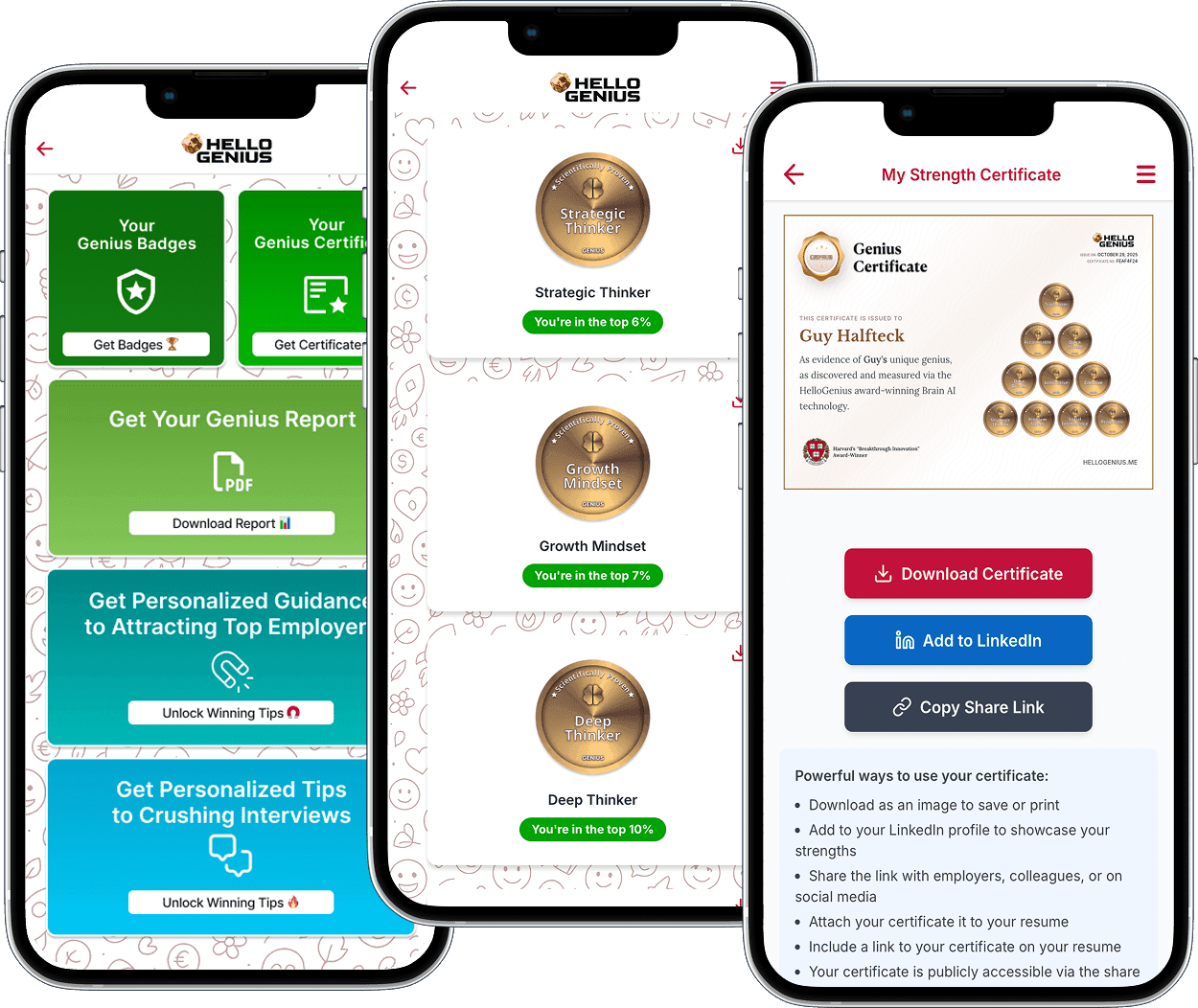
Don't just look for different job titles—identify careers that better match your natural strengths. Take a validated assessment to understand your strengths objectively. Many people spend decades in careers that don't leverage their natural abilities. A career change is your opportunity to finally align your work with your strengths. This alignment leads to better performance and greater satisfaction.
Bridge Your Experience to New Fields
Your past experience isn't irrelevant—it's a differentiator. Identify transferable skills and experiences valuable in your target field. A teacher moving to corporate training brings instructional design and presentation skills. A nurse moving to healthcare administration brings clinical knowledge and patient perspective. Frame your experience as an asset, not a liability. You're not starting over; you're pivoting with valuable context.
Address the Practical Concerns
Career changes often mean temporary income reduction. Plan financially—build savings, reduce expenses, consider part-time transitions. Address skill gaps through online courses, certifications, or volunteer work. Update your professional brand on LinkedIn. Network intensively in your target field. Consider consulting or freelancing as a bridge. Strategic planning reduces risk and increases success probability.
Conclusion
Career change at any age is possible with the right approach. Your experience is an asset, not a liability. By aligning your next career with your natural strengths and planning the transition strategically, you can find work that's more fulfilling than anything you've done before. The best time to make a change is when you're ready—and that could be right now.
Ready to discover your genius?
Get your personalized Genius Career Report with AI-powered insights for just $7
Get Your Report Now