The transition from college to career is one of life's most challenging phases. The structure, feedback, and community of college disappear, replaced by the uncertainty of job searching and the demands of professional life. Many graduates feel unprepared and overwhelmed. Understanding what to expect and how to navigate this transition makes all the difference.
Start Your Job Search Before Graduation
Don't wait until after graduation to start job searching. Begin at least 3-6 months before graduation. Many companies recruit on campus or have specific programs for new graduates. Use your school's career services—they exist to help you. Attend career fairs, information sessions, and networking events. The earlier you start, the more opportunities you'll have and the less stressful the transition will be.
Translate Academic Experience to Professional Value
Your college experience is more valuable than you think—you just need to translate it into professional terms. Group projects demonstrate collaboration and project management. Research papers show analytical thinking and communication skills. Leadership in student organizations proves initiative and people skills. Frame your academic experiences in terms of skills and achievements that employers value.
Manage the Reality Shock
The professional world operates differently than college. Feedback is less frequent and less direct. Success is measured differently. The social environment changes. Expect an adjustment period—it's normal to feel disoriented initially. Give yourself grace during this transition. Seek mentorship from more experienced colleagues. Remember that everyone goes through this adjustment; you're not uniquely struggling.
Build Professional Habits Early
Your first job is where you develop professional habits that will serve your entire career. Show up on time, meet deadlines, communicate proactively, ask questions, and seek feedback. Take initiative on projects. Build relationships across the organization. These habits matter more than your technical skills in determining long-term success. The professionals who advance are those who are reliable, proactive, and easy to work with.
Conclusion
The college-to-career transition is challenging, but it's also an exciting opportunity to apply your education and begin building your professional identity. Start early, translate your experience effectively, manage expectations, and build strong professional habits. With the right approach, you can navigate this transition successfully and set yourself up for long-term career success.
Ready to discover your genius?
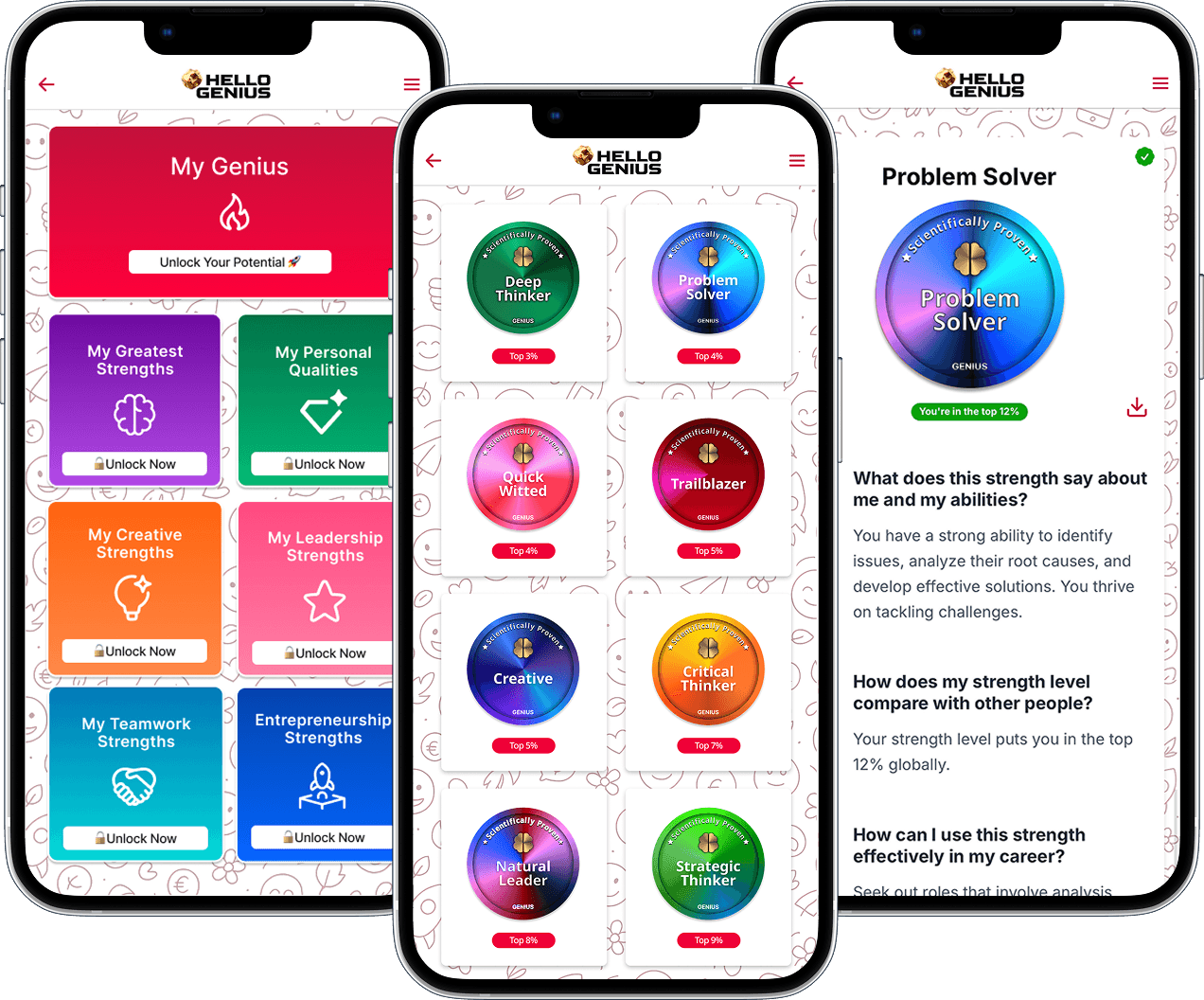
Get your personalized Genius Career Report with AI-powered insights for just $7
Get Your Report Now